Cleveland Traffic Safety Survey
Your response will be included in our upcoming report to City Council.
CLEVELAND TRAFFIC CRISIS: With Fewer Patrol Officers on the Beat, Is It Time to Bring Back Speed Cameras?
CLEVELAND, OH — If you’ve driven down Lorain Avenue, Chester, or through a neighborhood school zone recently, you’ve likely witnessed it: drivers blatantly running red lights, treating residential streets like drag strips, and navigating the city with an aggressive lawlessness.
As reckless driving reaches a boiling point, the City of Cleveland is facing a stark reality: there simply aren’t enough police officers on the beat to stop it.
Data presented to the Cleveland City Council reveals a staggering shift over the last decade. Traffic citations issued by Cleveland police have plummeted by more than half, dropping from nearly 9,000 in 2016 to just around 3,000 in 2025. Citations for running stop signs fell a massive 70%.
This steep decline isn’t because drivers have suddenly become safer; it’s the direct result of a critical, ongoing shortage of patrol officers. With police forces stretched thin and forced to prioritize high-priority violent crimes, traffic enforcement has taken a back seat.
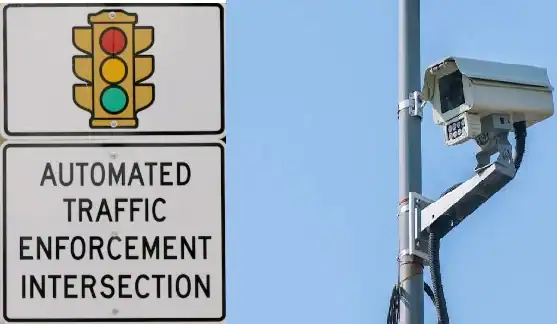
Now, as traffic fatalities continue to climb, a growing number of city leaders and residents are asking a question that was unthinkable a decade ago: Is it time to bring back automated speed and red-light cameras?
From “Cash Grab” to Vital Safety Net
Back in 2014, Cleveland voters decisively banned automated traffic cameras by a 3-to-1 margin. At the time, residents were furious over what they perceived as an unconstitutional “cash grab” designed to line city coffers and pad the pockets of out-of-state camera companies.
But over a decade later, city officials report a massive wave of “buyer’s remorse” from constituents tired of dodging reckless drivers.
“I hear a lot from my residents that there’s real buyer’s remorse,” Ward 17 Councilman Charles Slife noted in a recent public safety meeting, suggesting that utilizing technology in high-risk areas could serve as a vital deterrent while police staffing remains low.
Mayor Justin Bibb has already signaled strong support for reviving automated enforcement, embedding the return of cameras in high-crash corridors and school zones into his “Vision Zero” traffic safety initiative. Safety advocacy groups like Bike Cleveland have also thrown their weight behind the idea, pointing to federal data proving that cameras reliably reduce fatal and severe crashes by up to 44%.
The Hurdles Ahead
Reinstating cameras wouldn’t happen overnight. Because voters enshrined the camera ban into the City Charter in 2014, city leaders cannot simply reinstall them. The issue would have to go back to the ballot, allowing Clevelanders to vote on an amendment to reverse the ban.
Furthermore, state lawmakers heavily penalize municipalities that use automated cameras, docking state funding dollar-for-dollar for any general revenue generated. However, school zones are strictly exempt from this penalty, making targeted school-zone camera programs (like those currently netting neighboring Parma millions of dollars a year) a highly viable option for Cleveland.
Advocates stress that a modern camera rollout wouldn’t be about balancing the city budget. It would be strictly about protecting pedestrians, children, and law-abiding drivers at a time when traditional policing is strained to its limits.
🗳️ INTERACTIVE COMMUNITY POLL
The debate is heating up at City Hall, but the final choice belongs to the voters of Cleveland. Let us know where you stand by casting your votes below. (Live results will update instantly upon submission).