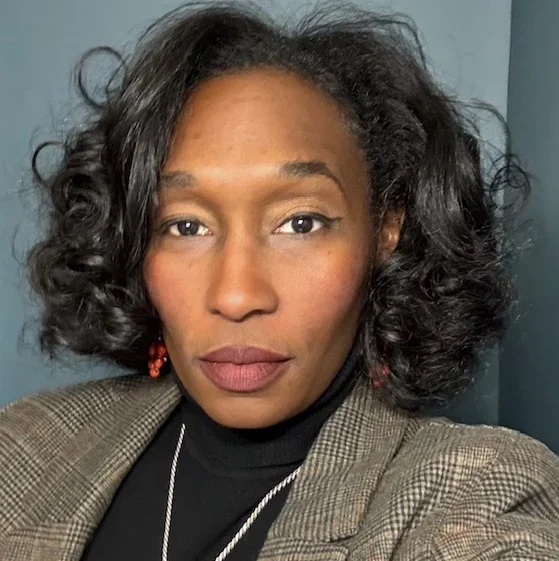

Jennifer Bailey
The use of psychedelics has a long-standing history. Indigenous populations used them for spiritual and healing purposes. Dr. Nina Vasan, clinical assistant professor of psychiatry and behavioral sciences at Stanford, said researchers studied psychedelics in the 1940s-1950s for their potential medicinal benefits.
In the 1960s, psychedelics became criminalized due to an increase in recreational use and their association with the counterculture movement. In the 2010s, research on psychedelics as a therapeutic aid has increased, providing promising outcomes. As a result, more states are passing legislation to decriminalize psychedelics.
What is psychedelic-assisted therapy?
According to Vasan, psychedelic-assisted therapy is the use of psychedelic substances, such as psilocybin (magic mushrooms), lysergic acid diethylamide (LSD), ketamine, MDMA (ecstasy or Molly) and ayahuasca during therapy sessions. Under the supervision of a trained mental health provider, participants taking psychedelics enter an altered state of consciousness, making them more susceptible to emotional healing and personal growth.
Psychedelics’ impact on the brain
Vasan said the psychedelic medication is administered via pill, IV drip, or injection, alongside psychotherapy. The psychedelics alter the neuroplasticity, which means the brain can become more flexible. The growth of connections between neurons, create a new habits or patterns.
Dr. Alexa Altman and Shira Myrow, licensed marriage and family therapist (LMFT),were interviewed about the use of psychedelics on the podcast Modern Therapist’s Survival Guide (September 1, 2025). They reported psychedelics quiet the amygdala, the part of the brain where fear and threat detection occurs, while also reducing activity in the default mode network (DMN).
Psychology Today describes the DMN as “a system of connected brain areas that show increased activity when a person is not focused on what is happening around them.” For example, your DMN will turn on when you are on your morning walk to the bus stop to go to work. The DMN can also turn on when “daydreaming, contemplating the past or the future, or thinking about the perspective of another person.”
The DMN is responsible for the brain’s activity during rest states, which can be disrupted if an individual has experienced trauma, resulting in an over- or under-responsive DMN when in a rest state.
Fred Barrett, neuroscientist at Johns Hopkins University, shared in an interview with NOVA research has shown that the claustrum is also affected by psychedelics. For the typical person’s brain, the claustrum communicates to the various regions of the brain, assisting these regions on when to turn on and off. For individuals suffering from mental illness, the claustrum can become rigid in its communication patterns with the rest of the brain, making it difficult to break cycles of thoughts or behaviors.
According to Barrett, when on psychedelics, the claustrum quiets, allowing the various parts of the brain to communicate in alternative ways, in turn allowing for the learning and practice of new behaviors or thinking patterns.
Why now?
The popularity and intrigue around the use of psychedelics to help those struggling with mental health comes from the promising results from clinical trials, increased media coverage sensationalizing these research findings and the substantial financial crisis around access to mental health services. These components are creating a need for alternatives to traditional treatment interventions.
Psychedelic-assisted therapy’s swift and direct impact on the brain also plays a role in its growing popularity. Those struggling with depression and Post Traumatic Stress Disorder (PTSD), especially if these individuals have a history of treatment resistance, meaning traditional medications are ineffective, have seen promising results from psychedelic-assisted therapy.
Despite promising findings, experts caution against viewing psychedelic-assisted therapy as a cure-all. Dr. Vasan expressed the need for more research to have a better and clearer understanding of psychedelics’ effects on larger populations, more conditions, and whether there are any long-term therapeutic benefits and consequences.
What’s legal, what’s not
Ketamine is FDA-approved for treatment-resistant depression and anesthesia, making it the only psychedelic-like substance with FDA approval for mental health treatment. Oregon in 2020 and Colorado in 2022 passed bills decriminalizing psilocybin. Colorado also approved it for therapeutic use, according to Joshua S. Siegel’s data analysis on psychedelic legislation reform.
Siegel’s analysis reports that Colorado, Connecticut, Hawaii, New Jersey, Oregon, Texas, and Washington considered bills proposing reform of existing laws restricting access to psychedelic drugs or proposing further research into reform legislation. He goes on to report that Colorado has passed a trigger law decriminalizing prescription MDMA contingent on FDA approval.
Takeaways
Psychedelic-assisted therapy is the use of psychedelic medication in conjunction with psychotherapy.
Psychedelics quiet certain parts of the brain so that it can create new thought patterns and behaviors.
Currently, psychedelics appear to be most beneficial for depression and PTSD, especially if there is a history of treatment resistance.
Despite promising results, more research needs to be done to have a clearer understanding of psychedelics’ effects on larger populations, more conditions, and if there are any long-term therapeutic benefits and consequences.
Jennifer Bailey is a wife, mother of three, and a therapist. She is a Licensed Clinical Social Worker and Registered Drama Therapist.