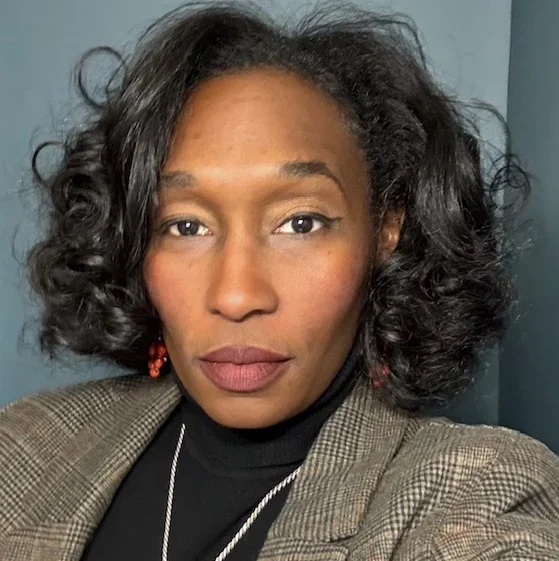

Jennifer Bailey
The word “boundaries” is often used without a clear understanding of what it means. Many view them as harsh and rigid barriers meant to keep others out.
However, Annie Campanile, a certified professional co-active coach who supports clinicians and senior leaders in hospitals and healthcare systems through high-stakes communication and complex conflict, compares boundaries to property lines.
“It’s a line of demarcation where one person’s yard ends and the other person’s yard begins,” Campanile said.
She added that boundaries are meant to protect a person’s joy and peace, granting others access in the right ways. Campanile said that the nervous system plays a role in how people manage those property lines.
The nervous system responds to threats in one of four ways: Fight, flight, freeze or fawn. Campanile describes the connection between the nervous system and boundaries as a spectrum.
On one side, some individuals handle boundary challenges with the flee or flight response, running from the potential conflict of holding a boundary.
This group may include people-pleasers whose boundaries are either easily crossed or nonexistent. Campanile said that people-pleasing aligns with the flee survival response, aimed at avoiding conflict, rejection and disappointing others.
At the other end of the spectrum is the fight response, which Campanile says presents as rigid boundaries. “[For] people who have a natural tendency toward a fight response, their version of boundaries is a brick wall,” she said. “It’s also a form of self-protection and of avoiding the tension of interpersonal conflict or potential criticism. So both approaches to boundaries first deserve and require a lot of compassion.”
Campanile suggests that when establishing property lines, clear demarcation is key; instead of having no fence or building a vast brick wall, aim for a picket fence with a gate. The true intention of boundaries is to guide how other people can access a person’s time, emotional energy and private life. When boundaries are upheld and respected, relationships with oneself and others deepen.
Jennifer Bailey is a licensed clinical social worker and registered drama therapist.