By Russell Zhang
Cleveland ranks among the most sleep-deprived cities in the country as about 33% of U.S. adults do not get enough sleep, according to the Centers for Disease Control and Prevention and a report by WJW Fox 8 report.
Lack of sleep negatively affects both mental and physical health and has been linked to obesity, Type 2 diabetes and heart disease, according to the National Library of Medicine.
Understanding sleep deprivation
Sleep deprivation occurs when a person does not get enough sleep on a given night. Sleep debt refers to the cumulative effect of insufficient sleep, or sleep deprivation, over several days or weeks.
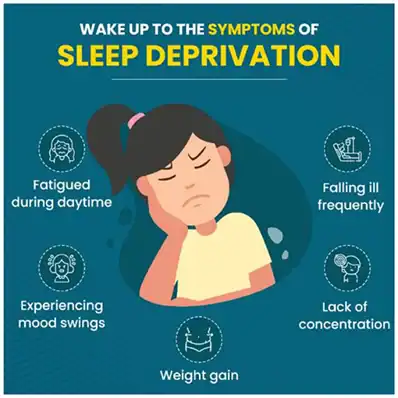
According to Very Well Health, common signs of sleep deprivation include difficulty staying awake during the day, mental fog, irritability and increased cravings for sugar and caffeine. A more serious sign can be falling asleep immediately after lying down.
Improve sleep habits
The Mayo Foundation for Medical Education and Research reports that adults should get 7 to 9 hours of sleep each night.
Maintaining a consistent sleep schedule throughout the week can also improve sleep quality. Establishing a nighttime routine may help individuals wind down before bed.
Sleep deprivation is especially common among college students, with about 70% reporting insufficient sleep, according to a published study. That rate is significantly higher than the national average of about 33%.