By Ron Albert
The Cleveland Observer
Oil, sanctions, military pressure, and defense financing show how U.S. foreign policy can test public trust, even without a declared war. Venezuela holds the world’s largest proven oil reserves—about 301 billion barrels—surpassing Saudi Arabia, Iran, and Canada, according to the U.S. Energy Information Administration. Sanctions, tanker seizures, and global energy politics explain why tensions are rising, even without a declared war.
In a democracy, foreign policy depends on more than laws and military power. It also depends on trust — trust that leaders are acting fairly, openly, and in the public interest.
That trust can weaken when major decisions are hard to understand or seem tied to powerful economic interests. Recent U.S. actions involving Venezuela show how quickly this strain can appear.
No War — But Rising Pressure
Online posts have claimed the United States is at war with Venezuela. That is not true.
There has been no declaration of war, no invasion, and no direct fighting between U.S. and Venezuelan forces. What has increased instead is pressure, mainly through economic sanctions and limited military enforcement, according to Reuters reporting on U.S./Venezuela relations
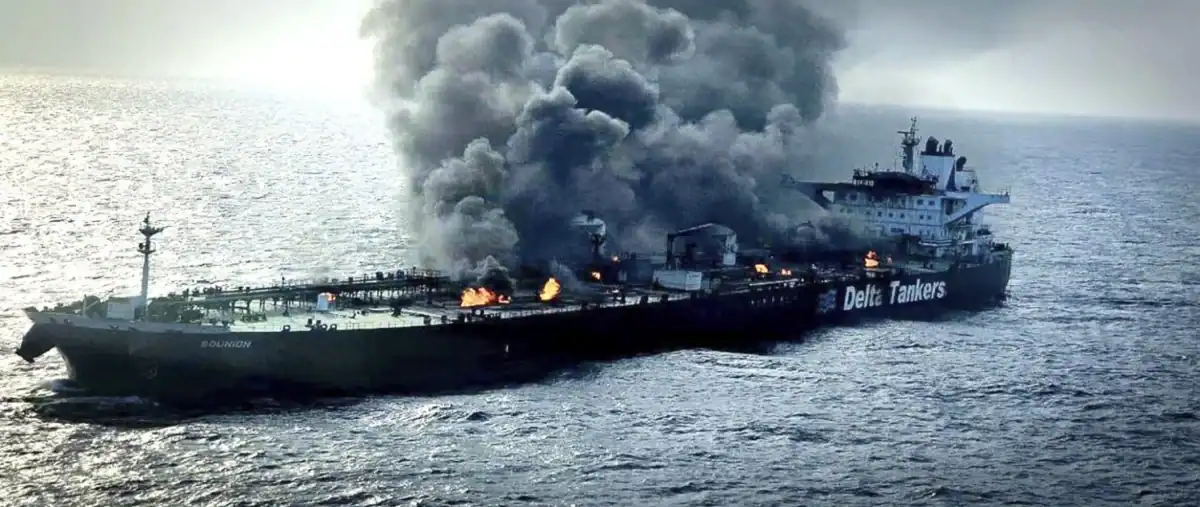
The most visible example came in late 2025, when U.S. authorities intercepted and seized an oil tanker carrying Venezuelan crude in international waters. U.S. officials said the move was legal and part of sanctions enforcement, while Venezuela’s government called it illegal and aggressive, as reported by Reuters
The incident raised tensions, but it did not cross the line into open war.
Why Venezuela’s Oil Matters
Venezuela holds the largest proven oil reserves in the world, even more than Saudi Arabia or Canada, according to the U.S. Energy Information Administration (EIA)
Most of this oil comes from the Orinoco Belt and is heavy or extra-heavy crude. This type of oil is harder and more expensive to refine, according to the U.S. Geological Survey
For many years, U.S. refineries were built to handle this oil, making Venezuela a major supplier. That relationship collapsed after U.S. sanctions restricted Venezuela’s ability to sell oil, borrow money, and maintain its energy system, the EIA reports
Today, oil remains Venezuela’s main source of government income — which is why it remains the focus of U.S. pressure.
Sanctions and Shipping
U.S. sanctions do not only target Venezuela’s leaders. They also affect banks, shipping companies, and insurers that help move oil around the world, according to Reuters coverage of oil exports and shipping practices
Because of this, Venezuela now relies on middlemen and indirect sales, often selling oil at lower prices. Tankers — not pipelines or ports — have become the main enforcement target.
Supporters say this approach avoids war. Critics argue it can feel like military action without being called one.
What Tanker Seizures Mean
U.S. officials say tanker seizures are law enforcement actions, not acts of war, and are carried out under U.S. court authority, according to the Associated Press
Venezuela strongly disagrees. Its leaders say the seizures amount to economic attack, a position echoed in international reactions reported by The Guardian
This dispute shows how economic pressure can resemble military force, even when it does not legally count as war.
Different Views on U.S. Policy
U.S. officials argue sanctions are a way to pressure Venezuela’s government without sending troops, keeping pressure on leaders rather than civilians, according to Reuters interviews with U.S. officials
Critics, including humanitarian groups, say sanctions often hurt ordinary people the most and raise the risk of escalation. These concerns are outlined by Human Rights Watch and the International Crisis Group
Both sides agree on one thing: oil is the key.
Capitalism, Power, and Risk
In today’s global economy, oil is more than fuel. It is power.
Who controls access to oil markets controls money, influence, and stability. Sanctions work by deciding who is allowed to sell — and who is shut out, a dynamic explained in economic analyses by Reuters and the Financial Times
This system can work, but it carries risks. When economic pressure replaces public debate, people can lose trust in how decisions are made.
A Question of Timing and Trust
Public trust was tested further in late 2025, when the Pentagon approved a $620 million loan to Vulcan Elements, a rare-earth magnet company that supplies materials used in military equipment. The deal was reported by Reuters
The loan came just months after a venture capital firm linked to the president’s family invested in the company. Officials say the decision was based on national security needs and deny any improper influence, according to reporting by Rare Earth Exchanges
There is no proof of wrongdoing. Still, ethics experts note that even the appearance of unfairness can weaken trust in public institutions.
Bottom Line
The United States is not at war with Venezuela. What exists instead is a mix of oil interests, economic sanctions, military enforcement, and political influence.
In a democracy built on trust, that mix matters. When decisions are hard to follow or appear tied to powerful interests, confidence in public institutions can weaken — even without proven wrongdoing.
The situation in Venezuela highlights a larger challenge facing modern democracies: how to use power without losing the public’s trust, a concern reflected in long-term research on democratic confidence by Pew Research Centerand Freedom Hous.